Cultural Symbolism in Slot Icon Design Across Localized Versions for Diverse Language Markets
Kirjoittanut Frankie Jenkins · 21.8.2026
Cultural Symbolism in Slot Icon Design Across Localized Versions for Diverse Language Markets
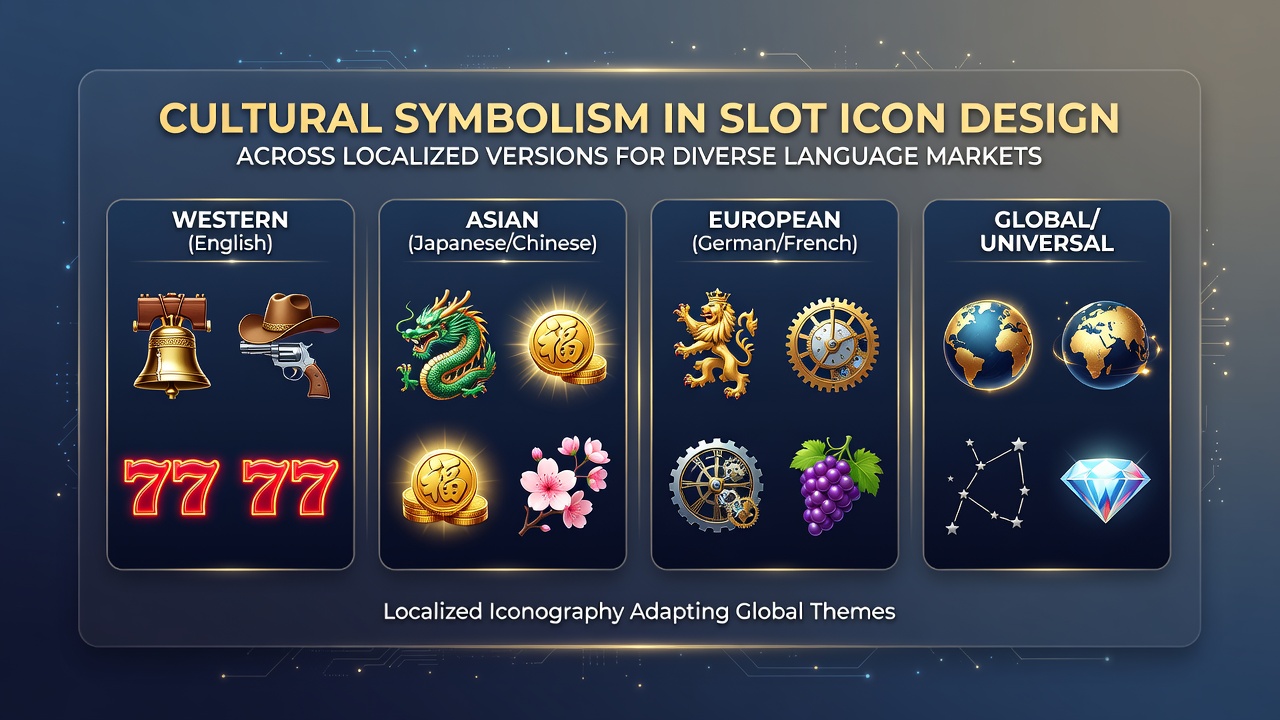
Slot developers adjust iconography when they prepare games for different language markets, and these changes reflect specific cultural references that players recognize immediately. Research from industry reports shows that symbols carry layered meanings, so teams replace generic items with regionally resonant ones such as cherry blossoms in Japanese versions or maple leaves in Canadian releases. Data collected by gaming associations indicates that such adaptations increase player retention because familiar visuals reduce cognitive distance between the game and its audience.
Icon Choices in European Language Markets
European localizations often draw on historical and folk elements that align with national identities. German editions incorporate oak leaves and beer steins while French adaptations feature fleur-de-lis patterns and vineyard motifs, yet both versions maintain the same mathematical structure. Observers note that regulators in several EU member states review these designs during certification to confirm that cultural references stay within approved boundaries. In August 2026 several operators expanded their Nordic-language catalogs with runic symbols and fjord landscapes after updated compliance guidelines took effect across the region.
Asian Market Adaptations and Visual Language
Asian releases demonstrate even more pronounced shifts because icon sets must accommodate multiple writing systems and belief systems simultaneously. Chinese-language versions frequently replace Western card suits with mahjong tiles and replace fruit symbols with gold ingots, while Korean adaptations introduce hanbok-inspired patterns and tiger imagery drawn from folklore. Studies conducted by university research groups reveal that these substitutions maintain payout frequency yet improve recognition rates among native speakers. Developers test color palettes as well because red and gold carry prosperity associations that differ from meanings assigned in other territories.
Latin American and African Regional Symbol Sets
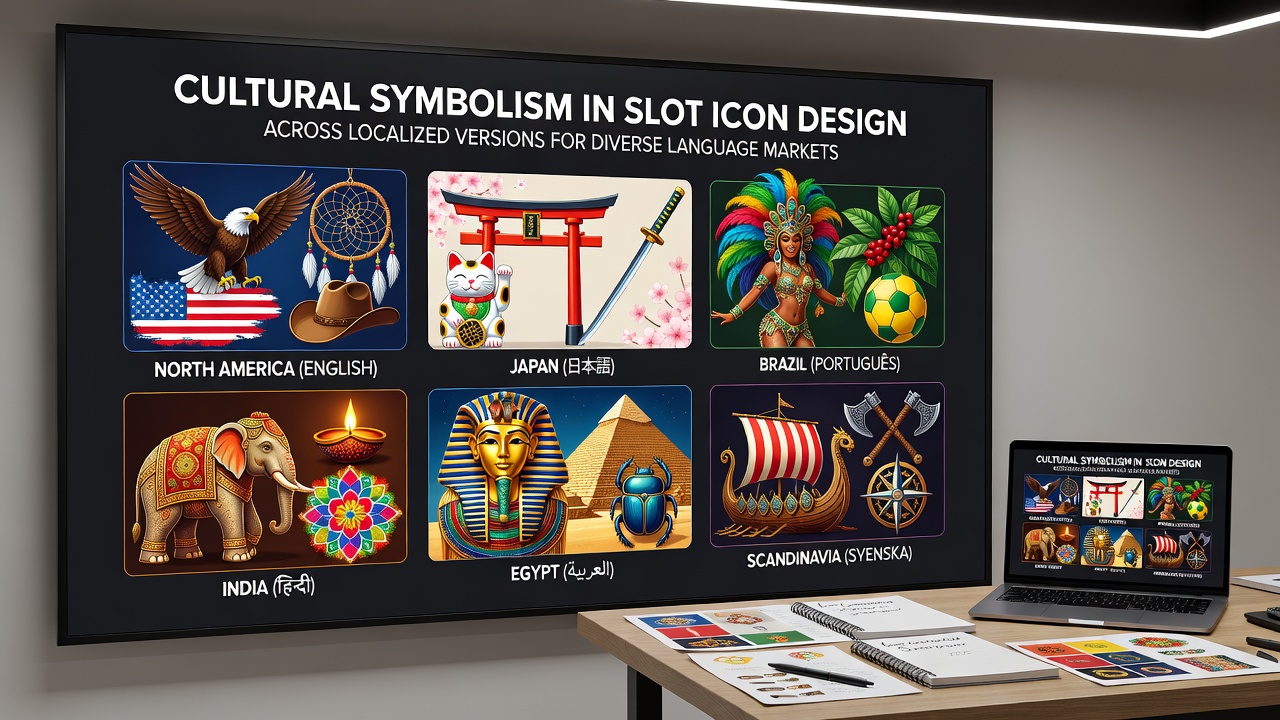
Spanish and Portuguese markets in Latin America receive icon packs that include Aztec and Inca geometric patterns alongside soccer imagery, and these choices appear in both Brazilian and Mexican language builds. African-language versions introduce masks, savanna wildlife, and beadwork motifs that reflect local heritage without altering reel mathematics. Figures released by the Australian Gambling Research Centre show parallel patterns in Oceania where indigenous art styles enter icon libraries for specific territories. Teams coordinate these elements through centralized asset libraries so that one base game can branch into dozens of culturally distinct builds.
Technical Implementation of Localized Icons
Asset pipelines now rely on modular design systems that swap individual sprites while preserving animation timing and hit-box alignment. Programmers assign metadata tags to each symbol so that language selection triggers the correct visual set automatically. Industry conferences document how these systems reduce production time by roughly forty percent compared with earlier manual replacement methods. Quality assurance teams conduct visual audits in each target language to verify that no symbol carries unintended connotations, and this step occurs before final submission to local licensing bodies.
Regulatory Oversight and Cultural Review Processes
Regulatory bodies in Canada and Australia require documentation that cultural symbols have undergone consultation with community representatives when games target those populations. The process mirrors similar reviews conducted by South African authorities for titles entering that market. Documentation submitted during certification includes explanations of each icon's intended meaning along with evidence that the reference aligns with contemporary usage rather than outdated stereotypes. These requirements have prompted developers to maintain dedicated cultural advisory panels that review icon libraries on a quarterly schedule.
Conclusion
Localized slot icon design now operates as a structured discipline that combines graphic artistry with linguistic and anthropological research. Developers maintain extensive reference databases that track symbol meanings across dozens of territories, and these resources support rapid adaptation whenever new language markets open. The result is a growing catalog of versions that preserve core gameplay while presenting visuals that feel native to each audience. Continued expansion into additional regions will likely accelerate the refinement of these localization pipelines.