From Helsinki to Johannesburg: How Multilingual Adaptations Expand Slot Accessibility Across European, Asian, and African Markets
Kirjoittanut Bianca Reed · 18.8.2026
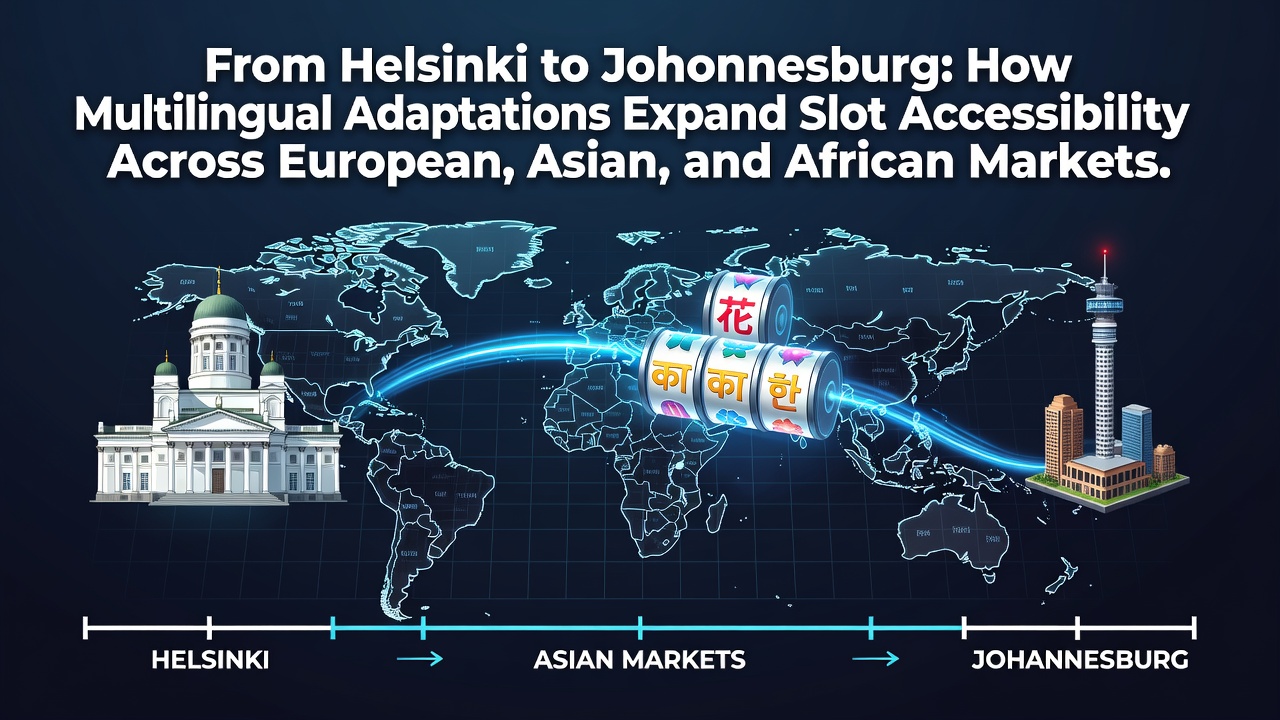
From Helsinki to Johannesburg: How Multilingual Adaptations Expand Slot Accessibility Across European, Asian, and African Markets
Slot platforms have extended their reach from Helsinki's tech hubs to Johannesburg's growing digital scene through targeted language adaptations that address local linguistic preferences across multiple continents. These changes allow operators to serve users who prefer Finnish, Swedish, Mandarin, Japanese, Afrikaans, Zulu, and other regional languages rather than relying solely on English interfaces. Data from industry reports indicates that platforms offering five or more languages see higher engagement rates in non-English speaking territories, and the pattern holds steady from Nordic markets through Southeast Asia into Southern Africa.
European Foundations in Helsinki and Beyond
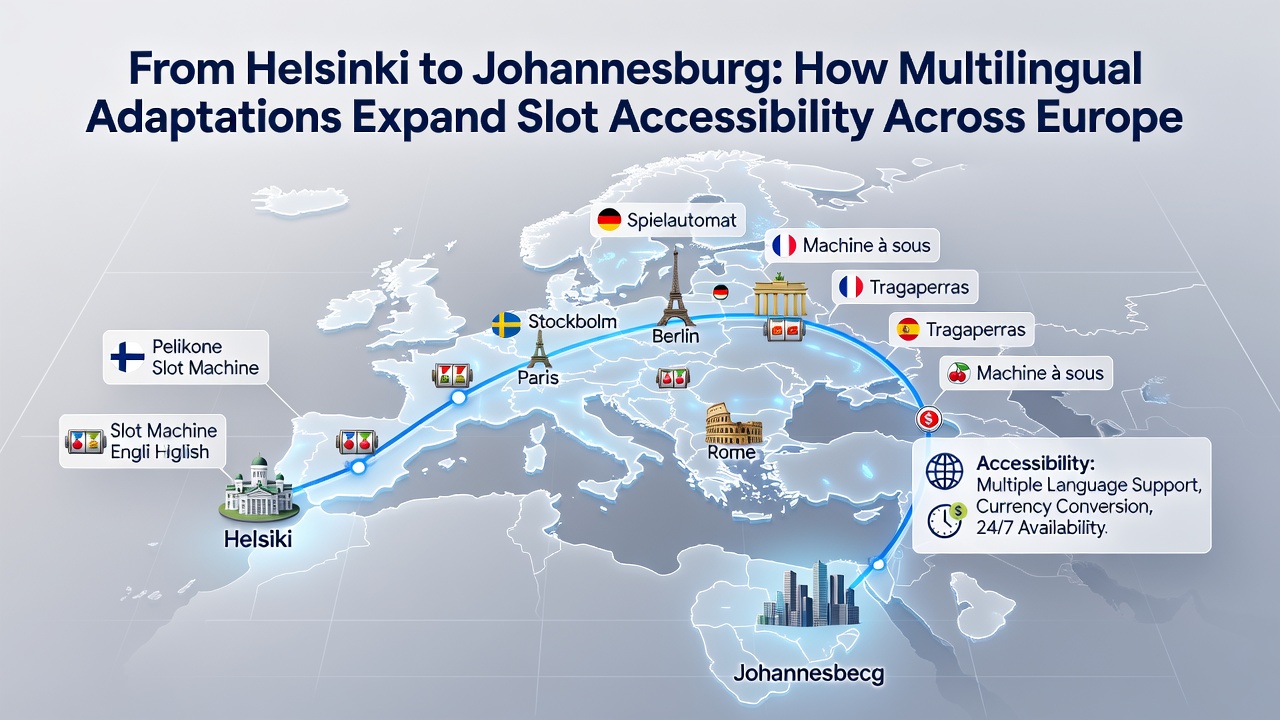
Operators based in Finland began rolling out localized slot content years ago, and those efforts now serve as a reference point for broader European strategies. Finnish and Swedish language support combines with interface adjustments that respect local payment preferences and regulatory timelines. According to figures released by the European Gaming and Betting Association, markets in the Nordic region recorded steady growth in active accounts during periods when platforms introduced full native-language experiences. Observers note that players in Helsinki and surrounding areas respond positively when game instructions, bonus terms, and support channels appear in their primary language, which reduces drop-off during registration and deposit stages.
Further south in Europe, similar patterns appear in markets where Romance and Slavic languages dominate. Developers adjust not only text but also cultural references within game themes, and these modifications correlate with longer session times in tracked data sets. The approach avoids simple translation by incorporating region-specific symbols and payment flows that align with local banking habits.
Asian Market Expansions Through Language Layers
Asian territories present distinct linguistic demands that require separate adaptation tracks for Chinese, Japanese, Korean, Thai, and Vietnamese speakers. Platforms that added these layers reported increased traffic from urban centers in China, Japan, and Thailand during 2025, with projections pointing to continued momentum into 2026. Research compiled by the Casino Regulatory Authority of Singapore highlights how multilingual interfaces contribute to higher compliance rates because users can review rules and responsible gaming information in their native tongue.
Slot mechanics themselves sometimes receive adjustments to match regional aesthetics, such as incorporating traditional motifs or adjusting reel speeds that resonate with local play styles. Those who monitor player behavior across Asian servers find that retention improves when both audio and visual elements receive localization attention alongside text. In August 2026, several operators plan phased rollouts of additional Southeast Asian language packs that build on existing Mandarin and Japanese foundations.
African Reach Centered on Johannesburg
Johannesburg serves as a focal point for slot accessibility efforts aimed at Southern African users, where English coexists with Afrikaans, Zulu, and other local languages. Operators have introduced these options gradually, and early indicators from regional analytics show rising participation among users who previously encountered language barriers. Government-linked gaming oversight bodies in South Africa track these developments through licensing requirements that emphasize clear communication in supported languages.
Adaptations extend beyond basic translation to include currency displays in South African Rand and integration with local mobile payment systems. Data collected across Johannesburg-based user groups reveals that multilingual support correlates with reduced support ticket volume, since players locate answers directly within the interface. Similar experiments are underway in other African markets, where operators test combinations of English, French, and indigenous languages to match population distributions.
Technical and Regulatory Considerations
Implementing multilingual slot systems involves coordinated updates to backend databases, user interfaces, and customer service protocols. Companies coordinate with regional regulators to ensure that translated materials meet legal standards for transparency. European operators often reference directives from EU digital market frameworks, while Asian and African teams align with national gaming authorities that set their own documentation rules. These overlapping requirements create complex but manageable workflows when teams maintain centralized content management systems.
Analytics platforms now include language preference tracking as a standard metric, which allows operators to prioritize future translations based on actual usage rather than assumptions. The shift toward data-driven localization decisions has become common across all three regions discussed here.
Conclusion
Multilingual adaptations have moved slot accessibility from limited English-only models to broader coverage that spans Helsinki through major Asian hubs and into Johannesburg. The process relies on coordinated language support, cultural adjustments, and alignment with diverse regulatory environments. As platforms continue adding languages ahead of August 2026 milestones, the geographic spread of accessible slot content continues to widen across European, Asian, and African markets.